A couple of years ago in a San Antonio outpatient facility, a veteran called Luis maintained missing out on early morning teams. He was early in recuperation from alcohol and cocaine and can not go to sleep before 3 a.m. By midday he really felt clouded and cranky, and by late afternoon he yearned for a beverage to resolve his nerves. We tuned his care plan, not by including a new regression prevention skill, yet by treating his rest like a main professional target. Over three months, after tightening his rest schedule, brightening his mornings, and cooling his room during the night, his insomnia ratings come by over half. Food cravings reduced, therapy stuck, and the missed groups quit. Sleep did not address every trouble, however it made whatever else much easier to solve.
That experience mirrors what many of us see throughout Texas. Whether in domestic programs in the Hill Nation, outpatient clinics along I-35, or community centers on the Gulf Coast, healing raises when sleep maintains. It drops when rest tears. Addiction transforms the brain's sleep systems. Withdrawal stirs them up. Recovery alters them slowly. If we do not deal with sleep on purpose, we wind up chasing signs and symptoms that good sleep treatment would certainly have softened.

How materials interrupt sleep, and why it remains in recovery
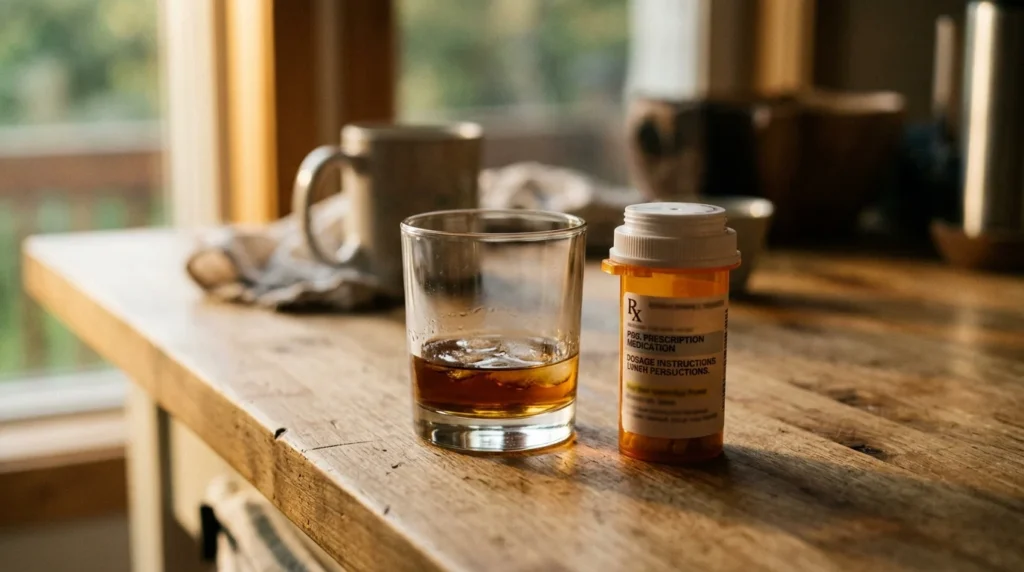
Alcohol shortens the time it takes to fall asleep, which attracts people to use it as a nightcap. The price comes later on. In the 2nd fifty percent of the night alcohol blocks REM, pieces rest, and drives up awakenings. As tolerance develops, bigger quantities are required for the exact same result, and the rebound is harsher. Early soberness creates vibrant desires, sweats, and a light, unrefreshing sleep that can last weeks to months.

Stimulants like cocaine and methamphetamine delay sleep start and blunt deep slow-wave rest. Even long after the last use, individuals describe a wired but tired state, with racing ideas when the lights go out. Marijuana is complicated. Some patients report less complicated sleep in the short run, yet hefty lasting usage usually degrades rest architecture and reduces REM. Discontinuation can bring extreme desires, middle-of-the-night awakenings, and irritability.
Opioids subdue the brain's breathing drive and alter rest stages. They increase the risk of both obstructive and main sleep apnea, especially in people taking higher everyday morphine milligram equivalents. During withdrawal, uneasy legs, gooseflesh, and temperature swings crack sleep into short, poor-quality segments.
The crucial clinical factor is that rest troubles do not magically fix themselves on day 14 of sobriety. For a large subset, sleeplessness becomes its own condition. When it does, relapse threat climbs. People that still satisfy clinical standards for insomnia after acute withdrawal have actually been shown to be at least 1.5 times more probable to slip, often extra. That does not mean sleeplessness causes relapse on its own, but it reliably fuels it, via impaired impulse control, reduced state of mind, and sharpened sign reactivity.
Why rest belongs on the issue list, not the footnotes
A treatment strategy that notes desires, anxiety, and bad focus, however leaves out sleep, is dealing with symptoms without the resource. Corrective sleep alters the day that follows it. Individuals endure discomfort better, think even more flexibly, and keep in mind the components of therapy that matter. They make their consultations. They really feel the point of recovery in their bones, not equally as a concept they agree with.
Sleep work is not extravagant, and it hardly ever generates an over night wonder. It is a consistent craft. In Addiction treatment Texas programs, the craft has functional aspects that team can find out, gauge, and fine-tune. It blends behavioral skills, circadian adjusting, medical testing, and clever drug choices, adapted to local truths like heat, change work, and limited gain access to in rural counties.
Practical rest assessment in Texas therapy settings
Start with concerns you can ask in under 5 mins. For how long does it require to go to sleep, and the number of times do you wake? What time do you get involved in bed, and what time is your actual wake-up most days? Do you snore noisally or stop breathing, according to a bed companion or relative? Do your legs really feel creepy or twitchy in the evening? Just how much caffeine do you drink, and when? Do you use nicotine right before bed? Do you make use of a phone or TV in bed?
I like to add 2 context concerns. What changed regarding your sleep in the last months before you looked for aid? And what have you already tried that did not work? These answers stop us from prescribing the very same failed action once again. They also identify whether the individual expects a tablet, which shapes the conversation that follows.
Insomnia screening devices such as the Sleeping disorders Severity Index take under 5 minutes and offer a baseline. For rest apnea danger, the STOP-Bang screener fasts and fits the medical truths of Texas. Obesity prices are more than the national standard in several Texas regions. High blood pressure and diabetes mellitus collection with it. These are not simply lab numbers. They boost apnea threat, and apnea dramatically gets worse daytime drowsiness and cognitive haze. In people with material use disorders, apnea treatment enhances state of mind and makes medicines safer.
In San Antonio and throughout South Texas, it helps to ask carefully concerning trauma-related rest. Problems, hypervigilance at going to bed, and sudden awakenings with a beginning are common in veterans and survivors of physical violence. PTSD does not disappear with abstinence. It has a sleep signature that calls for a tailored mix of treatment, security regimens, and in some cases prazosin or various other targeted medications when appropriate.
The Texas setting: heat, light, and life schedules
Summer heat in San Antonio or Laredo maintains individuals inside late and disrupts outdoor activity that assists establish circadian rhythm. Air conditioning that is weak or irregular bring about agitated nights. Light exposure matters also. Brilliant early mornings secure the clock. Late-night screens press it later. For shift employees in oil and gas outside Midland, or for medical facility employees who revolve evenings, the clock may never stabilize without a plan.
Allergies surge via capital Country and San Antonio during cedar period. Nasal congestion increases snoring and light sleep. Treating allergies is not glamorous, but if nasal airflow enhances and a person rests silently for the very first time in months, every little thing downstream improves.
Texas is also spread out. Rural individuals might drive two hours for care, or depend on erratic broadband for telehealth. That reality forms what we can ask individuals to do, which therapies we can deliver from another location, and how we set up follow-ups.
Building a sleep-forward treatment plan that values recovery
The backbone is cognitive behavior modification for sleeping disorders, much better known as CBT-I. It is a quick, organized therapy, usually 4 to 6 sessions, that changes what people do in bed, the length of time they spend there, and the beliefs that fuel fear. In addiction treatment this method fits well, since it shows abilities, includes homework, and produces quantifiable modification without including brand-new sedatives.
Key aspects include a regular wake time daily, a bedtime matched to real rest requirement, not to wishful thinking, and the guideline that bed is for rest and intimacy, not TV, phones, or argument club with yourself. When rest has actually obtained small and weak, you might briefly slim time in bed to match actual rest and afterwards broaden progressively as rest settles. This approach, called rest limitation, is uneasy yet powerful. Patients need mentoring, and team need scripts for common potholes.
Circadian entrainment matters as well. Individuals need early morning light to reset their clock. A brief outside walk within an hour of waking does greater than pep talks alone. For evening owls, stronger early morning light and a moderate dose of melatonin in early evening can move sleep earlier over a week or two. For change employees, we improve the plan around their timetable, with intense light during the first fifty percent of shift and blue-light stopping late in the change to plan for postshift sleep.
Exercise timing assists. Mid-day training enhances rest depth for many people, however late extreme exercises can maintain some of them wired. Caffeine cutoff times matter, especially for those metabolizing it gradually. In my clinic we begin with a 2 p.m. Cutoff, then tighten if required. Nicotine is a stimulant and connects with bedtime the same way. If an individual is not all set to stop pure nicotine entirely, target the night as an initial boundary.
Room elements do not fix insomnia by themselves, yet they reduce rubbing. Trendy, dark, and silent victories. In San Antonio summers, a follower that circulates air near the bed plus blackout drapes frequently spends for itself in two weeks of far better rest. People in shared housing may require earplugs, a white noise application, or a basic eye mask. For those in residential programs, time limit and wake times ought to align with sleep science, not simply logistics. A 5:30 a.m. Wake-up for comfort weakens mid-day therapy.
Medications: utilize with treatment, match to the person
In addiction treatment, the very best sleep drug is usually less drug. When you do utilize it, pick choices that do not hook into the benefit system or suppress breathing. Trazodone in reduced to modest dosages can be practical, though early morning grogginess is common and must be inspected against security at work or when traveling. Low-dose doxepin is one more option for sleep maintenance. Hydroxyzine can reduce nighttime anxiousness. Clonidine can relax the free surges during very early withdrawal, however blood pressure requires monitoring.
Mirtazapine helps when clinical depression and cravings loss combine with sleeplessness. The tradeoff is weight gain, which is a genuine issue in Texas where metabolic risk is already high. Gabapentin can help neuropathic pain and rest, yet clinics should have clear policies because misuse does take place, especially in people with opioid usage condition. Quetiapine is sedating yet lugs misuse danger and metabolic problem. Utilizing it mainly for rest in a person without psychosis needs solid justification.
For people on medicine for opioid usage problem, buprenorphine typically supports rest over the initial weeks as withdrawal silences. If insomnia continues, display for apnea, agitated legs from iron shortage, and mood problems. For those on methadone, look for communications and watch the QT interval when including particular sedatives. Do not stack benzodiazepines on top of methadone or buprenorphine unless there is a clear, recorded indication and a strategy to taper, with risk mitigation in place.
Alpha-2 representatives like guanfacine can assist hyperarousal in trauma. Prazosin minimizes trauma-related nightmares for many, though high blood pressure can drop, especially in heat when hydration is bad. Melatonin is most reliable as a clock shifter in small doses, often 0.5 to 3 mg, taken three to five hours before the preferred going to bed, not as an eleventh hour ko pill.
Sleep apnea and breathing conditions, usually hiding in plain sight
If a patient is drowsy throughout the day, snores loudly, has high blood pressure, or has a big neck size, take into consideration sleep apnea. In people making use of opioids, shallow breathing in the evening can be main along with obstructive. Home rest apnea screening is extra readily available now in Texas than a decade back and can be worked with with medical care partners. Continual favorable respiratory tract stress, CPAP, has a picture problem, but people adjust better when we set assumptions, prepare mask suitable, and troubleshoot early. Heated humidification helps in completely dry environments. For moderate to moderate obstructive apnea, oral appliances are a choice, and some individuals prefer them because they travel well.
From a recuperation standpoint, dealing with apnea eliminates a daily drag on mood and energy. It likewise lowers cardio danger, which is essential for people that are gaining weight after quitting energizers or who reboot eating patterns after alcohol recovery.
Special patterns by substance
Alcohol: Anticipate rebound insomnia that recently. On the very first pass, build structure and light. Think about gabapentin carefully for people with neuropathic discomfort or desire benefit, yet display for abuse and sedation. Prevent including a sedative hypnotic that connects with GABA in the early weeks, because it can replacement for alcohol.
Opioids: Screen for apnea and troubled legs. Iron researches matter. Go for ferritin well above the low end of typical for sign alleviation. If discomfort is active, coordinate with nonopioid discomfort techniques. Rest constraint can be harder when pain flares, so change with shorter first cuts in time in bed.
Stimulants: Reframe the goal. Sleep will certainly really feel level initially. Evening regimens to downshift from high cognitive gear aid. Timed light administration can relocate a delayed clock previously over a month.
Cannabis: Anticipate vibrant dreams and stiring up collections during taper or cessation. Show dream practice session methods and mindfulness for middle-of-the-night awakenings.
Benzodiazepines: Tapers hurting at bedtime. Individuals might relate rest failing with taper failing. Normalize the moment training course. Line up all prescribers and provide one constant plan so the patient does not hear blended messages.
Pregnancy: Use behavior approaches first. Coordinate with obstetrics on medication choices. Late-pregnancy reflux and positional concerns should have useful support, like wedge cushions and dish timing.
What we found out executing a sleep track in addiction treatment in San Antonio
Our team added a devoted rest track to an existing intensive outpatient program. We trained two therapists in CBT-I, integrated an insomnia screener at consumption, and included a 15-minute morning light walk as an optional group. The River Stroll made buy-in less complicated. Over 6 months, 61 individuals enlisted. Of those who finished at the very least 4 sessions, the average Sleep problems Extent Index dropped from 19 to 10. Group attendance increased by a little over one session per week compared to their own baseline. Urine examinations showed less stimulant positives at week eight than in a previous accomplice. Not a randomized trial, not evidence for the journals, yet enough signal to maintain investing.
We hit obstacles. Two clients mistreated quetiapine they got elsewhere for rest. We tightened our medication education and learning and coordinated with regional prescribers. A number of clients can not sign up with the early morning stroll throughout summer season warmth advisories, so we supplied light therapy boxes in a cooled down room. A 3rd group worked evenings at a warehouse near Loophole 410. We developed a revolving microcurriculum for change workers, instead of demanding a day timetable they might not keep.
A staged technique any type of Texas program can adopt
- Add a two-minute rest screen to consumption, and tape-record a daily wake time in the treatment plan. Train one medical professional in CBT-I and integrate a four-session method right into the program flow. Build an early morning light routine, outdoors when safe or with light boxes in a typical room. Create an easy path for apnea screening with a partner facility that can do home tests. Track two metrics quarterly: Sleeplessness Intensity Index modification and team attendance.
Those actions do not need a brand-new building or a special grant. They need focus, modest training, and predictable follow-up. For smaller programs in rural Texas, the same framework can be supplied by telehealth. CBT-I works well by video clip, and rest journals adapt easily to a smartphone camera or a low-tech paper note pad stood up to the screen.
Paying for rest treatment in the real world
In Texas, settlement frequently drives adoption. Psychotherapy time for CBT-I can utilize typical codes such as 90832, 90834, or 90837 depending on session length, billed by licensed mental health experts. For incorporated behavior wellness teams, the health actions analysis and treatment codes, such as 96156 for evaluation and 96158 for private intervention, may apply when dealing with health-related behaviors like sleep problems that impact a clinical problem such as material usage condition. Payers differ, and managed Medicaid plans differ in their use of these codes, so it aids to verify plans beforehand and track rejections. For apnea, home screening and CPAP are normally covered with appropriate documentation. Federally certified university hospital can integrate sleep screening within packed payments and warrant tools like light boxes as part of individual education and learning budgets.
What clients can attempt tonight while the larger plan takes shape
- Pick tomorrow's wake time, and set it within 15 mins each day this week, weekend breaks included. Get 10 to 20 mins of outdoor light within an hour of waking, also if it is cloudy. Keep the last hour before bed peaceful and dull, with lights lower, screens parked away. If you can not rest after about 20 minutes, get up and being in low light until drowsy. Move high levels of caffeine to the early morning and very early midday, none after 2 p.m. To start.
Those steps seem as well easy to matter, until they add up over 10 to 14 days. The first week might feel worse prior to it feels much better, particularly with sleep constraint. That is why constant training and reassurance belong to the treatment. Healing currently requests discomfort in the service of a bigger goal. Rest therapy asks for an extra particular version of the same.
Edge cases and judgment calls
Not every person with addiction and sleeping disorders is a prospect for prompt rest restriction. Somebody taking out from alcohol who is tremulous, diaphoretic, and high threat for seizures needs medical stablizing initially, and often a mindful benzodiazepine taper in a monitored setup, not a tighter going to bed rule. A patient with unattended bipolar affective disorder and a background of mania set off by sleep loss requires an extra steady approach and close collaboration with psychiatry.
People with persistent pain deserve recognition that their sleep problems is not totally behavior. Gentle pacing, daytime activation, and pain coping abilities can line up with sleep modifications, yet the order issues. For others, iron shortage drives agitated legs. A basic ferritin level can transform the strategy from endless sleep health handouts to iron repletion and symptom relief.
Veterans with trauma commonly need targeted headache job, like images practice session treatment. Anxiety-driven sleep beginning sleeplessness reacts finest when therapists incorporate cognitive deal with threat evaluation and safety and security learning into the rest strategy. For teens and young adults in recuperation, delayed sleep phase is common. Relocating wake time previously functions far better than trying to require a very early bedtime.
Working with households, housemates, and the setting
Recovery does not happen in a vacuum cleaner. In sober homes, one person's twelve o'clock at night television routine comes to be another person's 3 a.m. Awakening. Programs can set residence norms without being punitive. Peaceful hours, phone auto parking after a specific time, and common-room light rules can be framed as performance boosters for everybody's recovery. Where kids are entailed, parents might need versatile plans that consider nighttime awakenings and child care. The goal is not excellence. It is a prejudice towards actions that offer tomorrow a chance.
In residential settings, team can design sleep-positive culture. Dim lights in the hour prior to lights-out. Offer tea, not sweet snacks, late in the evening. Permit a brief morning light block before the very first group. Get rid of the idea that requesting for aid with sleep is weak. The message is simple. You are doing effort. Allow's provide your brain the nightly problems it needs to rewire.
What addiction treatment in San Antonio can supply right now
San Antonio has the components for sleep-forward addiction care. Programs can partner with sleep labs on the Medical Facility corridor for apnea screening. Neighborhood clinics on the South Side run injury teams where nightmare treatments can fit. Parks and the River Stroll supply low-priced light therapy with movement. The city's big military area means medical professionals are already proficient with circadian issues from implementations and shift work. When facilities include a rest track, they can promote it without lingo. Clients respond to clear language. Much better rest to reduced cravings and raise your odds of staying sober.
Across the state, Addiction treatment Texas programs can take the same path. What begins as a couple of brand-new questions at consumption and a targeted four-session CBT-I block commonly grows into a culture where sleep is dealt with like blood pressure - measurable, flexible, main to health and wellness. Telehealth fills up voids outside the cities. Health care partners assist with apnea and iron workups. Peer specialists stabilize the battle and share what worked for them.
The information differ by town and individual, yet the principle holds. When sleep enhances, individuals notice the world in different ways. That is not a soft add-on. It is an allowing condition for adjustment, as concrete as an unfavorable screen or a complete team calendar.
A brief instance to bring it together
Jasmine, 34, got in outpatient addiction treatment in San Antonio for methamphetamine use, with six weeks sober. She rested from 2 a.m. To 6 a.m., woke unrefreshed, and drank energy drinks through the day. Her intake showed a Sleep problems Intensity Index of 21, STOP-Bang low danger, no trauma symptoms, and evening smartphone use up until she drifted off. We maintained buprenorphine steady for a previous opioid misuse history, set a repaired wake time of 6 a.m., relocated all caffeine prior to noontime, and scheduled a 15-minute morning stroll. We used stimulation control and slowly narrowed time in bed from 7 hours to 5.5 hours, after that increased by 15 minutes every couple of evenings as sleep combined. A 1 mg melatonin dosage at 7 p.m. Assisted draw her clock earlier without early morning fog.
At week 2, she complained she felt worse. We reviewed the plan, stabilized the discomfort, and tweaked it by relocating her evening walk earlier and switching power beverages for water after lunch. At week four, her ISI was 13. At week eight, 8. She reported fewer afternoon desires, no naps, and steadier state of mind. Therapy sessions ended up being extra efficient. She did not become a sleep evangelist, yet she began protecting her wake time the method she protected her meetings. That change deserved as much as any solitary coping ability we educated her.
Sleep treatment is not a side task. https://finnhmzy818.talesignal.com/posts/san-antonio-intensive-outpatient-programs-adaptable-addiction-treatment It belongs inside addiction treatment, in San Antonio and across the state. Treat it with the exact same regard you give drugs for opioid use condition or injury treatment. The return is available in much better attendance, calmer days, much safer evenings, less slides, and a steadier climb toward the type of life that does not need a compound to finish the day.